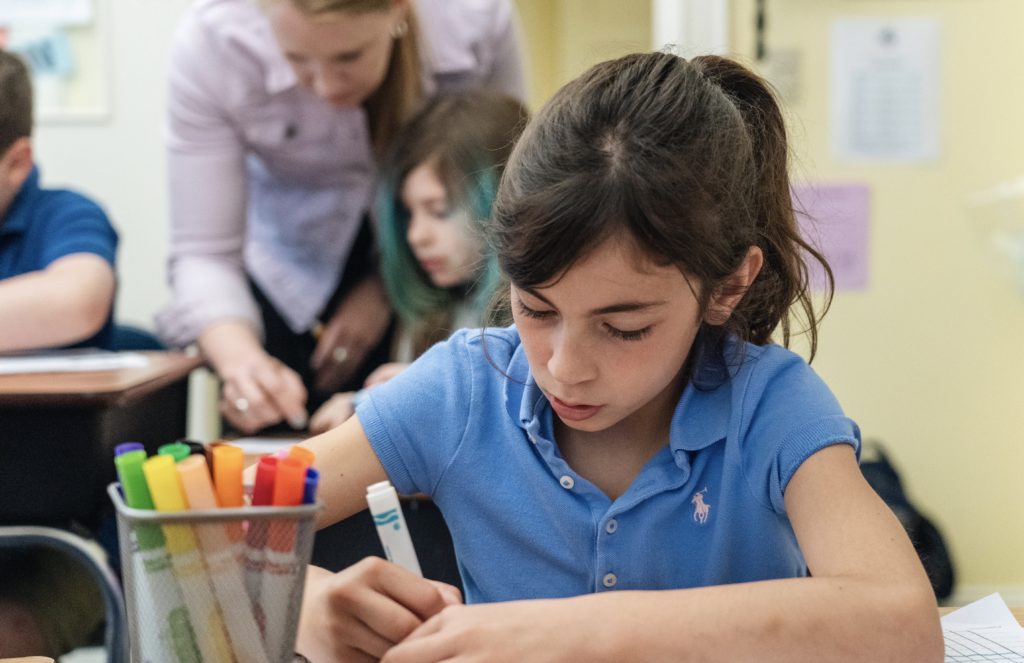
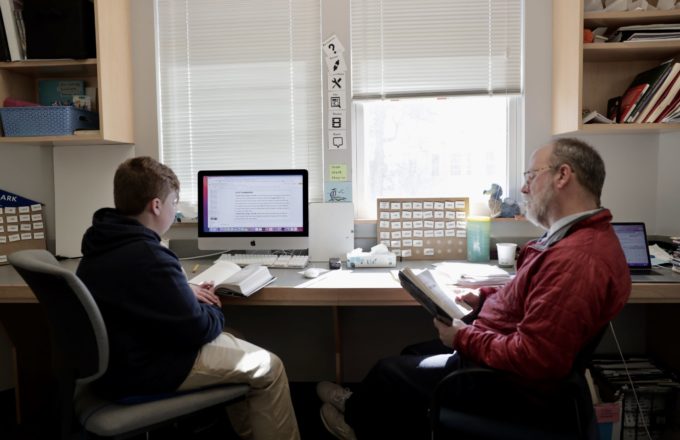
Today’s students are growing up in a complicated world. They’re navigating complex cultural pressures and uncertainties, and many are still recovering from the social, emotional, and academic disruptions of the COVID-19 pandemic. In classrooms across the country, teachers are concerned about rising student reports of loneliness, poor mental health, and disengagement, and are called to respond while managing strict standards and fast-paced schedules.
In response, educators are turning to holistic teaching practices—not as a new approach—but as a better way to reach students without overextending themselves to burnout.
Holistic education acknowledges the whole student—identities, strengths, challenges, and goals—and invites them to be active contributors to their learning. At the heart of holistic teaching are two key principles: authenticity and student autonomy. When students can see themselves in lessons (authenticity) and have meaningful control over their learning (autonomy), they feel capable and valued, and learning and mental health outcomes improve.
Holistic Teaching Centers Student Authenticity
Learning feels authentic when it’s real and personally meaningful to students. Authenticity grows when teachers take the time to know their students and intentionally connect content to their lived experiences, interests, and ambitions.
Honoring Student Expertise is one way to center authenticity. It doesn’t require a curriculum overhaul, but it will likely overhaul your relationships with students. As you learn more about them, they receive the powerful message that their experiences matter. Students can share their expertise, what they know about themselves and their world, through private check-ins, whole-class discussions, or reflection exercises. Educators find Peggy Swarbrick’s wellness framework (2006) useful. It’s a visual representation of eight interconnected dimensions of wellbeing—social, emotional, environmental, physical, intellectual, spiritual, vocational, and financial—and it’s a helpful reminder of the parts contributing to the whole student. You might ask about:
- Vocational wellness: “What responsibilities do you have outside of school?”
- Physical wellness: “What activity/sport would you try at least once?”
- Environmental wellness: “What objects or smells do you find relax you?”
Practicing “Noticing & Naming” is another simple yet powerful practice. When teachers share specific observations of students’ positive attributes and healthy choices, it reinforces their self and social-awareness, strengthening their positive self-regard and wellbeing (Slemp, et al., 2017). You might try “noticing and naming” during:
- Social interactions: “I noticed you made sure your group was clear on the instructions before moving on. That is strong leadership.”
- Responses to discipline: “How you own your actions shows real maturity.”
- Reading comprehension strategies: “Your margin notes show you’re actively engaged in the text. That’s what strong readers do.”
Holistic Teaching Centers Student Autonomy
Autonomy—the ability to make independent choices—is a basic human need. When students experience autonomy in school, motivation and mental health improve. When they don’t, students disengage and shut down (Ryan & Deci, 2000). Presenting students with opportunities to lead, direct, and choose activates students’ self-awareness, self-management, and decision-making. It also signals trust and respect, which fosters self-confidence.
Presenting Multiple Choices keeps students in the driver’s seat, making decisions about their education. Teachers might offer choices about how students spend their time, the order in which content is presented, and the format of projects and assessments. Teachers might also consider their role in uplifting the multiple choices students have for postsecondary pathways—debunking the myth that there’s a singular, linear pathway to success. Try inviting choice with:
- Presentation assignments: “You can present on what you learned through your choice of medium: video, essay, infographic, or other modality.”
- Postsecondary planning: “Who do you look to when you imagine the person you want to become?”
Taking a “Tight-Loose-Tight” Approach is another framework (Dickens, 2016) that repositions students at the center of their learning with:
- Tight, clear communication about purpose and goals
- Loose, flexible parameters for design and execution
- Tight, measurable expectations for accountability
Imagine how this assignment centers student choice with clarity and structure:
- Tight: “We’re researching careers through informational interviews because networking is a skill you’ve said is important.”
- Loose: “You choose which roles and professionals to interview.”
- Tight: “You’ll present your insights from three interviews in two weeks.”
Holistic education, as well as centering authenticity and agency, takes small, intentional shifts in how we interact with students and design learning experiences. Of course, in busy classrooms with competing, high-speed demands, implementation will be imperfect. That’s ok. Start by listening to students’ wisdom about themselves and creating meaningful connections and choices based on what you learn. Remember how powerful it is when students feel seen, trusted, and involved. Holistic teaching practices collectively enhance engagement, deep learning, and positive health outcomes.
References
Dickens, P. (2016). Tight-Loose-Tight: A Complexity Approach to Innovation. OD Practitioner: Journal of the Organizational Development Network, 48(4), 27-31.
Ryan, R. M., & Deci, E. L. (2000). Self-determination theory and the facilitation of intrinsic motivation, social development, and well-being. American Psychologist, 55(1), 68–78.
Slemp, G.R. et al. (2017). Positive Education in Australia: Practice, Measurement, and Future Directions. In: Frydenberg, E., Martin, A., Collie, R. (eds) Social and Emotional Learning in Australia and the Asia-Pacific. Springer, Singapore. https://doi.org/10.1007/978-981-10-3394-0_6.
Swarbrick, M. (2006). A Wellness Approach. Psychiatric Rehabilitation Journal, 29(4), 311-314.
U.S. Department of Education, Office of Special Education and Rehabilitative Services. (2021). Supporting Child and Student Social, Emotional, Behavioral, and Mental Health Needs, Washington, DC. https://www2.ed.gov/documents/students/supporting-child- student-social-emotional-behavioral-mental-health.pdf.